 11
11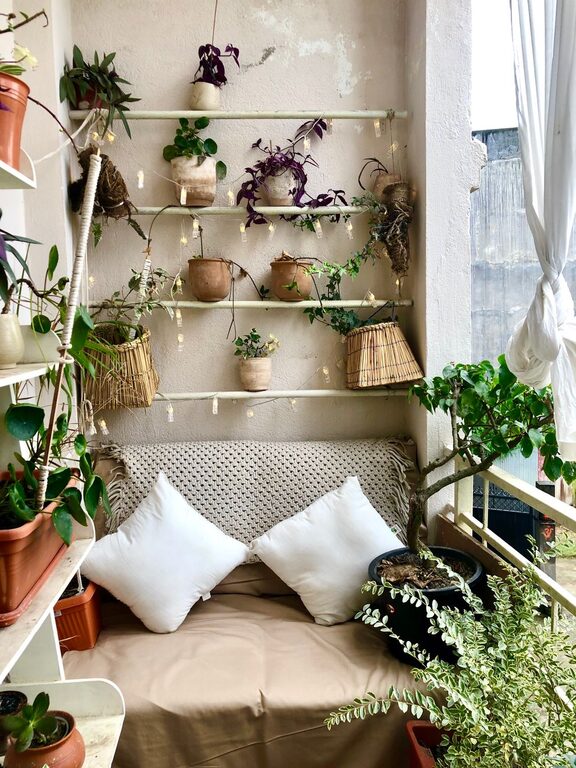
A small balcony can become one of the most enjoyable areas in your home. With a few thoughtful changes, it can serve as a peaceful spot for morning coffee, a comfortable place to read, or a welcoming area for relaxed conversations.
The key is to make every item useful while adding warmth and personality. You do not need a large budget or a complete renovation. A comfortable seat, soft lighting, a few plants, and clever storage can make a noticeable difference.
Before buying anything, think about how you want to use the balcony. The best design choices depend on its main purpose.
Consider these questions:
– Do you want a quiet reading corner?
– Would you like a place to eat or drink coffee?
– Do you need extra space for plants?
– Will the balcony be used by one person or several?
– How much sun, wind, and rain does it receive?
Measure the available space, including the width of the door and any areas that need to remain clear. A simple sketch can help you decide where furniture, plants, and lighting will fit.
Try to avoid filling the balcony with too many separate items. A small space usually feels more comfortable when it has a clear layout and a limited color palette.
Furniture has the biggest effect on how a small balcony feels. Look for pieces that are compact, lightweight, and easy to move.
A folding bistro table and two chairs can create a dining area without taking up much room. If you prefer a lounging space, consider a narrow bench, a compact outdoor chair, or a floor cushion placed on a weather-resistant mat.
Useful small-balcony furniture includes:
– Folding chairs and tables
– Stackable stools
– Slim benches
– Storage benches
– Hanging tables that attach to a railing
– Compact outdoor loungers
Choose furniture with a scale that matches the balcony. Large pieces may feel comfortable in a store but can quickly make a narrow space feel crowded.
Multifunctional furniture is especially helpful. A storage bench can provide seating while holding cushions, gardening tools, or small outdoor accessories. A stool can work as both extra seating and a side table.
Textiles make outdoor areas feel more inviting. Even one or two soft additions can change the atmosphere.
Start with a weather-resistant outdoor rug. It can define the seating area, add color, and make the floor feel less plain. Choose a rug that is easy to clean and small enough to dry quickly after rain.
Next, add cushions or a throw blanket. Outdoor cushions are designed to handle sunlight and occasional moisture, making them a practical choice. If you use regular indoor textiles, bring them inside when the weather changes.
For a balanced look, select two or three related colors. Neutral furniture can be paired with shades such as blue, green, terracotta, or warm yellow. Avoid using too many patterns, since a small area can look busy quickly.
Good lighting helps a balcony feel cozy in the evening. It also allows you to enjoy the space after sunset without relying on harsh overhead lights.
String lights are a popular option because they add a soft glow without taking up floor space. You can hang them along the railing, attach them to a wall, or place them around a door frame.
Other useful lighting choices include:
– Battery-powered lanterns
– Solar lights
– Small LED table lamps
– Flameless candles
– Clip-on reading lights
Layering several small lights usually looks better than using one bright source. For example, combine string lights with a small lantern near the seating area. Choose warm white bulbs for a relaxed atmosphere.
Always select lights that are suitable for outdoor use, and follow the manufacturer’s instructions for placement and weather protection.
Plants add color, texture, and a natural feeling to a balcony. They can also make the space feel more private.
Use the balcony’s light conditions as your guide. Sunny balconies may suit herbs, lavender, geraniums, or other sun-loving plants. Shadier spaces may be better for ferns, begonias, or foliage plants that prefer indirect light.
To save floor space, try:
– Railing planters
– Wall-mounted pots
– Hanging baskets
– Vertical plant stands
– Narrow plant shelves
Group plants at different heights to create visual interest. A tall plant in one corner, medium pots near the seating area, and a small planter on a table can make the balcony feel lush without using every available surface.
Choose containers with drainage holes and use saucers where appropriate to help protect the floor. If your balcony is exposed to strong wind, select stable pots and avoid placing lightweight containers near the edge.
A balcony can feel less relaxing if it is completely exposed to nearby windows or shared outdoor areas. Fortunately, you can add privacy without making the space feel closed in.
Outdoor curtains are a flexible option. They can be opened during the day and drawn when you want more privacy. A bamboo screen or slim trellis can also provide a natural-looking barrier.
Plants are another effective solution. Tall grasses, climbing plants, or narrow evergreen varieties can soften the view while adding greenery. Make sure any privacy feature is safely secured and does not interfere with the building, railing, or walkway.
If you rent your home, choose removable options that do not require permanent changes.
When floor space is limited, look upward. Walls, railings, and the underside of shelves can all provide useful storage or display space.
Install a narrow shelf for small plants, lanterns, or outdoor accessories. Use hooks for hanging tools, lightweight baskets, or folding chairs. A pegboard can provide flexible storage if it is suitable for outdoor conditions.
Keep vertical displays organized rather than covering every wall. Leaving some open space will help the balcony feel brighter and less crowded.
The final layer should reflect your style. Small decorative items can make the balcony feel like a true extension of your home.
Consider adding:
– A favorite outdoor cushion
– A small piece of weather-resistant art
– A decorative tray
– A compact side table
– A ceramic planter
– A wind chime or simple outdoor ornament
Choose items that can handle the conditions on your balcony or that are easy to bring indoors. A small tray is particularly useful because it keeps drinks, books, and candles organized.
A cozy balcony should also be practical. If it takes too much effort to clean or rearrange, you may use it less often.
Choose washable fabrics, durable surfaces, and plants suited to your level of gardening experience. Keep a small brush or cloth nearby for dust and dirt. At the end of each season, inspect furniture, lighting, and planters for signs of wear.
Leave enough room to move comfortably and open the balcony door fully. A beautiful balcony is most successful when it remains easy to use.
Making a small balcony feel cozy is mostly about choosing the right scale, adding comfortable textures, and creating a warm atmosphere. Start with one clear purpose, then build around it with flexible furniture, soft lighting, plants, and a few personal touches.
Even a narrow balcony can become a welcoming retreat when every item has a place and the design feels intentional. With simple updates, you can create an outdoor space that feels comfortable, useful, and connected to your home.