
 11
11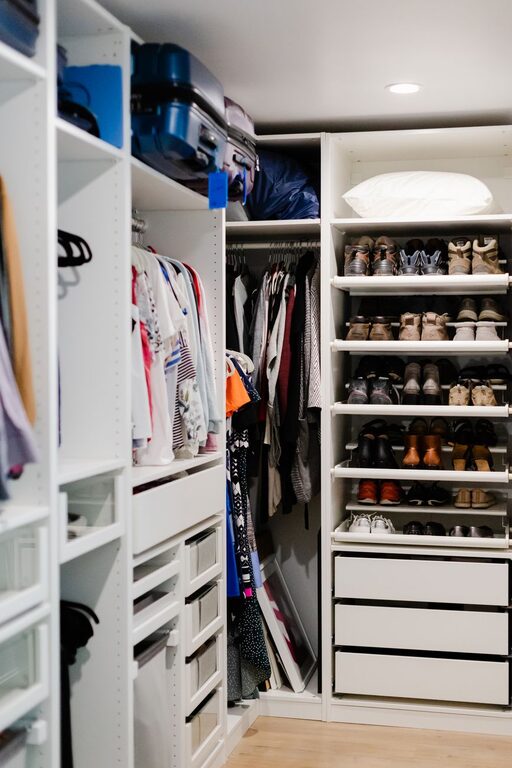
A tidy closet can make mornings easier, protect your clothing, and help you make better use of the space you already have. The key is not simply putting everything away once. A closet stays organized when it is easy to maintain and designed around the way you actually use it.
With a clear plan, a few practical storage tools, and simple daily habits, you can create a closet that looks neat and remains functional.
Before organizing, remove everything from the closet. Working section by section can be helpful if you have limited time, but a complete reset gives you a better view of what you own.
Place clothing, shoes, bags, and accessories in separate groups. This makes it easier to spot duplicates, items you no longer use, and pieces that need repair or cleaning.
As you sort, create four piles:
– Keep
– Donate
– Repair or clean
– Recycle or discard
Try each item when you are unsure about it. Ask yourself whether it fits well, feels comfortable, suits your current lifestyle, and has been worn recently. If you would not choose it today, it may be taking up valuable space.
Avoid keeping items simply because they were expensive or because you might wear them someday. A useful closet should support your current needs.
Once you have decided what to keep, organize clothing by type. Hang shirts with shirts, pants with pants, and jackets with jackets. Fold sweaters, T-shirts, and other items that hold their shape well on shelves or in drawers.
Grouping similar items helps you see what you have and makes putting things away much faster. You can also organize each category by color, from light to dark, if that makes choosing outfits easier.
Useful categories may include:
– Everyday tops
– Work or dress clothing
– Casual pants and jeans
– Jackets and coats
– Workout clothing
– Sleepwear
– Seasonal items
– Accessories
Choose categories that match your routine rather than copying someone else’s system. If you wear casual clothing most days, give it the easiest-to-reach space.
Many closets have unused space above the clothing rod or below hanging garments. Use these areas to increase storage without adding a large piece of furniture.
Consider adding:
– Shelf dividers
– Stackable bins
– Hanging organizers
– An extra hanging rod
– Hooks for bags and belts
– Slim shoe racks
– Storage boxes for seasonal items
Place frequently used items between waist and eye level. Less-used belongings, such as holiday clothing or special-occasion accessories, can go on higher shelves.
Avoid stacking too many items on a shelf. Tall piles often fall over and make it difficult to reach anything underneath. Short, stable stacks are easier to maintain.
Matching hangers can make a closet look more orderly and provide more usable space. Slim, nonslip hangers are especially useful because they take up less room than bulky plastic or wooden styles.
Use sturdy hangers for coats, suits, and heavier garments. Delicate pieces may need padded or shaped hangers to help protect their form.
Avoid hanging items that can stretch or lose their shape, such as heavy sweaters. Fold these garments neatly and place them on a shelf or in a drawer.
Keep the number of hangers reasonable. If the rod is so full that clothes are difficult to remove, the closet may need another decluttering round.
Shoes and accessories can quickly make a closet look messy because they are often small, irregularly shaped, and used frequently.
Store shoes in pairs and keep everyday footwear near the entrance of the closet. A rack, clear box, or low shelf can prevent shoes from collecting on the floor. If you use boxes, label them or choose transparent containers so you can find pairs easily.
For accessories, group similar items together:
– Belts on hooks or a belt hanger
– Scarves in a drawer or divided bin
– Handbags on shelf dividers or hooks
– Jewelry in a small organizer
– Hats in a dedicated basket or stack
Give each category a specific home. When every item has a place, tidying takes less effort.
Bins are useful for small items and clothing that is not needed every day. They can also make deep shelves easier to use because you can pull out one container instead of moving several items.
Choose containers that fit your shelves. Measure the space before buying storage products, and leave a little room so bins can be removed easily.
Label containers with simple descriptions such as “winter hats,” “swimwear,” or “extra linens.” Clear labels prevent guesswork and reduce the temptation to create random piles.
Do not use bins as a way to hide clutter. Every container should hold a defined category, and it should not be overfilled.
Seasonal clothing can take up much of your closet even when it is not being used. At the start of each season, review your wardrobe and move less-relevant items to a higher shelf, under-bed container, or another suitable storage area.
Before storing clothing, make sure it is clean and completely dry. Fold items carefully and avoid packing them so tightly that they become difficult to remove.
Use breathable storage containers when appropriate, especially for fabrics that need airflow. Keep seasonal storage easy to access so you can switch items without disrupting the entire closet.
This seasonal review is also a convenient time to remove clothing that no longer fits your lifestyle.
A closet remains tidy when organization is part of your routine. Small habits prevent clutter from building up.
Try these practices:
– Return clothing to its proper place after wearing it
– Hang or fold clean items promptly
– Use a laundry basket instead of dropping clothes on the floor
– Put shoes away when you enter the room
– Keep a small donation bag nearby
– Remove one item when you bring in something new
– Straighten one shelf or section each week
Give yourself a few minutes at the end of the day to reset the closet. This is usually easier than waiting until the space requires a major cleanout.
A closet does not need to be filled to be useful. Leaving empty space between groups of clothing makes items easier to see and remove. It also gives you room to put things away without disrupting nearby sections.
Aim to keep shelves, drawers, and hanging rods comfortably full rather than packed. If you cannot return an item without pushing other things aside, it may be time to reassess the space.
An organized closet should feel simple to use. The best system is one that helps you find what you need, put items away quickly, and maintain order with minimal effort. Start with a full reset, choose storage that fits your habits, and build small routines that keep clutter from returning.