 11
11
A good weekend does not need to be packed with activities to feel worthwhile. In fact, the most relaxing weekends often have a simple structure: a few plans you look forward to, enough time to rest, and room for unexpected moments.
Planning a no-stress weekend is not about creating a perfect schedule. It is about making thoughtful choices before the weekend begins so you can spend less time deciding what to do and more time enjoying your days.
Before making plans, decide how you want the weekend to feel. This small step can help you avoid filling every hour with tasks and commitments.
Your goal might be to:
– Rest after a busy week
– Spend quality time with family or friends
– Get organized at home
– Enjoy time outdoors
– Work on a hobby
– Explore somewhere nearby
– Have a balance of activity and downtime
Choose one or two main priorities. If you try to focus on everything, the weekend may begin to feel like another workweek.
For example, you might decide that your goal is to recharge and spend time outside. That could mean planning one short outing, preparing easy meals, and leaving most of the schedule open.
A few simple tasks on Friday can make Saturday and Sunday feel much easier. You do not need to complete every chore, but handling the most distracting ones can help you relax.
Consider taking care of:
– Urgent work messages
– Basic grocery shopping
– Laundry needed for the weekend
– A quick kitchen cleanup
– Pet care arrangements
– Confirming plans and travel details
Keep this list short. The goal is not to turn Friday evening into a second work shift. Choose the tasks that will make the biggest difference to your peace of mind.
If possible, set a stopping time. Once the essential tasks are finished, give yourself permission to transition into the weekend.
A common source of weekend stress is overbooking. One plan can easily lead to another, especially when travel time, preparation, and cleanup are included.
Try using the “one main plan per day” approach. This might be a brunch on Saturday and a walk or local event on Sunday. Everything else can remain flexible.
When reviewing an invitation or activity, ask:
– Do I genuinely want to do this?
– How much time will it take from start to finish?
– Will I have enough time to rest afterward?
– Am I saying yes because I want to or because I feel pressured?
– Does this fit with the kind of weekend I want?
You do not need to accept every invitation. A polite “I cannot make it this time, but I hope you have a great time” is often enough.
Free time is not wasted time. An open part of the schedule gives you a chance to slow down, change plans, or simply do nothing for a while.
Instead of planning every hour, create a few open blocks. You might use them to:
– Read a book
– Watch a favorite show
– Take a long walk
– Enjoy a quiet breakfast
– Call someone you care about
– Work on a creative project
– Sit outside with a drink
– Catch up on sleep
Avoid treating free time as a list of tasks. If every open block becomes an opportunity to clean, organize, or complete errands, it may not feel restful.
Food decisions can take up more energy than expected, especially when you are already tired. A little preparation can make meals simpler without requiring a complicated meal plan.
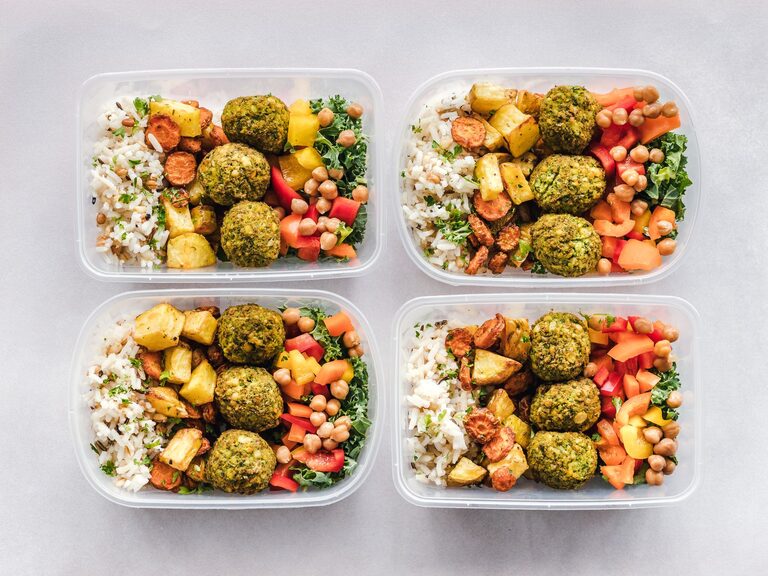
Choose a few easy options for breakfast, lunch, and dinner. You might prepare one meal in advance, keep useful ingredients on hand, and allow yourself to enjoy takeout or a casual meal out.
Helpful options include:
– Simple sandwiches or wraps
– Grain bowls with prepared ingredients
– Soup and bread
– Pasta with vegetables
– Yogurt, fruit, and granola
– Sheet-pan meals
– Leftovers from the week
The purpose is convenience, not perfection. A relaxed weekend meal can be as simple as assembling food and sitting down without rushing.
If your weekend includes an outing, reduce avoidable stress by checking the practical details in advance.
Look at:
– Travel time
– Parking or public transportation
– Opening hours
– Weather conditions
– What to bring
– Whether reservations are needed
Build in extra time when you can. Rushing to an appointment or event can make an otherwise enjoyable plan feel difficult.
It can also help to choose nearby activities. You do not need to travel far to make the weekend feel special. A local park, museum, café, market, library, or walking trail may offer a refreshing change of scenery without a long journey.
A few familiar routines can help your weekend feel calm and organized. These routines should support your plans, not control them.
You might try:
– Waking up at a comfortable time
– Opening the curtains and getting natural light
– Drinking water before starting the day
– Taking a short walk
– Tidying one small area
– Setting aside time for a favorite activity
– Preparing for Monday before Sunday evening
There is no need to follow a strict schedule. Think of these habits as anchors that give your day a comfortable starting point.
Constant notifications can make it difficult to relax, even when your schedule is free. Consider deciding when you will check email, messages, and social media.
You could:
– Turn off nonessential notifications
– Keep your phone away during meals
– Set a specific time to answer messages
– Avoid checking work email unless necessary
– Spend part of the day without screens
This does not mean you need to disconnect completely. The goal is to choose when technology gets your attention instead of responding to every alert.
A small amount of preparation on Sunday can make Monday feel less abrupt. Keep the reset short and practical rather than turning it into a major cleaning session.
You might:
– Review the upcoming week
– Choose clothes for Monday
– Pack a bag
– Prepare a simple breakfast or lunch
– Clear your main workspace
– Write down important reminders
Aim to finish early enough to enjoy the rest of the evening. The reset should create calm, not take over your Sunday.
Even a well-planned weekend may include delays, changed plans, bad weather, or low-energy moments. A no-stress weekend does not mean everything goes exactly as expected.
When plans change, return to your main goal. If you wanted to rest, a quiet afternoon may still support that goal. If you wanted to spend time with someone, a simple conversation at home may be just as meaningful as a planned outing.
The best weekend plan is flexible enough to adapt. Choose a few things that matter, leave space around them, and avoid judging the weekend by how much you accomplished.
Use this flexible outline as a starting point:
– Finish one or two urgent tasks
– Prepare or choose an easy meal
– Confirm Saturday plans
– Do something calming before bed
– Start the day without rushing
– Enjoy one main activity
– Leave an open block for rest
– Keep dinner simple
– Choose a quiet or enjoyable activity
– Complete a short weekly reset
– Prepare a few practical items for Monday
– End the evening at a comfortable pace
A peaceful weekend is created through balance, not busyness. With a clear goal, fewer commitments, easy meals, and plenty of open time, you can make your days feel more restful and enjoyable.