
 11
11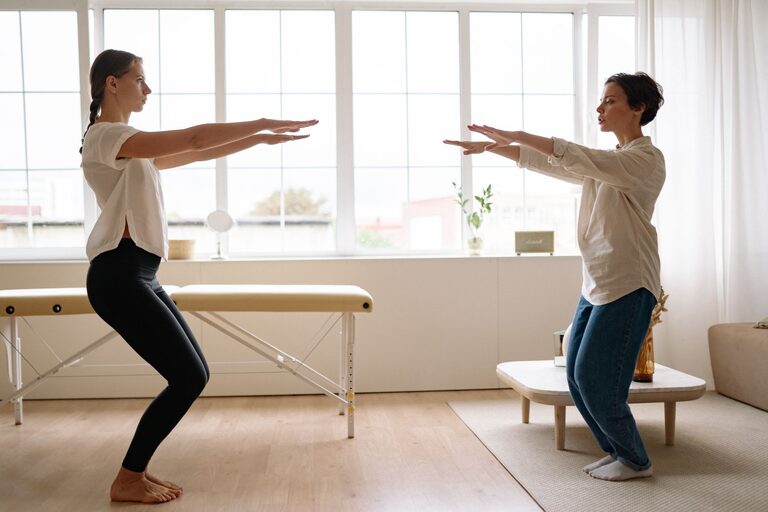
Adding more movement to your day does not have to mean following a strict workout plan or spending hours at the gym. Small, regular actions can help you feel more active and break up long periods of sitting.
The key is to look for simple opportunities that fit naturally into your routine. A few extra steps here, a short stretch there, and more active daily choices can add up over time.
Long periods of sitting can make the day feel inactive, especially if you work at a desk or spend a lot of time in front of a screen. Short movement breaks are an easy way to change that pattern.
Try standing up every 30 to 60 minutes. Walk around the room, refill your water bottle, or do a few gentle stretches. Even a minute or two can help you reset before returning to your task.
You can also create reminders that make movement part of your schedule. Set an alarm, use a calendar notification, or connect movement with an existing habit, such as taking a break after finishing a meeting or answering a group of emails.
– Stand while reading a short message.
– Walk around while listening to an audio call.
– Roll your shoulders and gently stretch your arms.
– Do a few slow bodyweight squats if they feel comfortable.
– Walk to speak with a coworker instead of sending a message.
– Move to a different room during a short break.
These actions may seem small, but repeating them throughout the day can make your routine more active.
Walking is one of the simplest ways to add movement because it requires little equipment and can fit into many schedules. Look for opportunities to walk a little farther than usual.
You might park farther from an entrance, get off public transportation one stop early, or take a short walk during lunch. If you work from home, try walking around the block before starting work or after finishing for the day.
Walking can also make everyday tasks more active. Take the stairs when practical, visit a nearby store on foot, or walk while making a phone call. These small choices can turn ordinary parts of the day into movement opportunities.
A walk is easier to repeat when it feels pleasant rather than like another task. Listen to music, an audiobook, or a podcast. Invite a friend or family member to join you. You can also explore a different street, park, or local area to keep your route interesting.
If time is limited, divide your walking into smaller sections. Three 10-minute walks can be easier to fit into a busy day than one longer walk.
Household chores are another practical way to spend more time on your feet. Cleaning, gardening, organizing, and carrying items all involve movement.
Instead of trying to complete every task at once, spread activity across the day. Put away a few items during a break, tidy one area between tasks, or take a short walk while laundry is running.
You can make chores more active by:
– Taking extra trips to carry items instead of carrying everything at once.
– Washing the car by hand.
– Gardening or caring for plants.
– Sweeping, vacuuming, or mopping with regular breaks.
– Standing to fold laundry.
– Organizing a cupboard or storage area.
The goal is not to rush through chores. Focus on moving safely and comfortably while completing tasks you already need to do.
Many daily activities involve screens, but screen time does not always have to mean sitting still. Look for ways to add gentle movement during lower-focus activities.
Stand or walk while watching a short video, listening to a podcast, or talking on the phone. During television breaks, get up to refill your drink, tidy the room, or stretch.
If you play video games or spend time browsing, set a natural stopping point every so often. Use that moment to stand, walk around, or do a few easy movements before continuing.
A helpful approach is to pair entertainment with activity. For example, listen to a favorite show only while walking on a treadmill, stretching, or using a stationary bike. Choose activities that feel enjoyable and manageable so the habit is easier to maintain.
Your commute may offer several ways to add movement. If you drive, consider parking farther away when convenient. If you use public transportation, stand during part of the trip or walk to a more distant stop.
For shorter journeys, walking or cycling may be an option. You do not need to change your entire commute to benefit. Adding movement to just one part of the trip can be a useful starting point.
On workdays, take a short walk before entering the office or after arriving home. This can also create a clear transition between work and personal time.
Habits are easier to maintain when they are attached to routines you already follow. Consider adding movement to common parts of your day.
For example:
– Stretch gently after brushing your teeth.
– Take a short walk after lunch.
– Stand while waiting for coffee or tea.
– Do a few easy movements while dinner cooks.
– Walk around the house while planning your next day.
– Put on comfortable shoes when you finish work to encourage an evening walk.
You can also keep helpful items nearby. Place walking shoes by the door, store a water bottle at your desk, or keep a mat where you have room to stretch. Small reminders can make active choices more convenient.
You do not need a long workout to move more. A short session can be useful when your schedule is busy.
Set aside five to 10 minutes for simple activities such as walking, dancing, stretching, or basic bodyweight movements. You might complete a short session in the morning, during a lunch break, or before relaxing in the evening.
Create a simple list of movements you enjoy and choose a few each day. For example:
– Marching in place
– Gentle stretching
– Dancing to a favorite song
– Walking up and down a hallway
– Light gardening
– Beginner-friendly mobility exercises
Choose a comfortable pace and stop if something feels painful or unsafe. The best activity is one you can do consistently and enjoy.
Movement can feel easier when it is part of time with other people. Invite a friend to take a walk, plan an active weekend activity, or suggest a walking meeting when appropriate.
Families can add movement through simple activities such as visiting a park, playing outside, taking a neighborhood walk, or doing household projects together. Social support can make movement feel less like a task and more like quality time.
Some days will be busier than others. You may not always reach a movement goal, and that is normal. Instead of aiming for a perfect routine, focus on adding one or two active choices whenever possible.
Start with a change that feels realistic. Once it becomes familiar, add another. For example, begin with a five-minute walk after lunch, then include short standing breaks during the workday.
Keep track of what works for you, but avoid turning movement into a source of pressure. A flexible routine is more likely to last.
Adding movement to your day is mostly about noticing opportunities. Walk when you can, stand when it makes sense, take short breaks, and choose active versions of ordinary tasks.
Small actions can fit into almost any schedule. By making movement convenient, enjoyable, and repeatable, you can create a more active daily routine without needing a complicated plan.