 11
11 Busy weeks can make home cooking feel like a challenge. Between work, school, errands, and household tasks, there may not be much time left for planning meals. The good news is that meal prep does not have to mean spending an entire Sunday in the kitchen.
With a few simple strategies, you can prepare ingredients, assemble flexible meals, and make weeknight cooking much easier. The goal is not to create a perfect plan. It is to make future meals faster, simpler, and less stressful.
Before shopping or cooking, choose a small number of meals for the week. Planning every meal can feel overwhelming, so start with three or four main dishes and leave room for leftovers or easy options.
A simple plan might include:
– One sheet-pan dinner
– One rice or grain bowl
– One pasta dish
– One soup, chili, or stew
– Easy breakfasts and snacks
Choose recipes that share ingredients. For example, cooked chicken can be used in grain bowls, wraps, salads, or sandwiches. Roasted vegetables can work as a side dish, taco filling, or lunch topping.
It also helps to check your refrigerator, freezer, and pantry before shopping. Using ingredients you already have can reduce food waste and shorten your grocery list.
There is no single right way to meal prep. Choose the method that matches your time and energy.
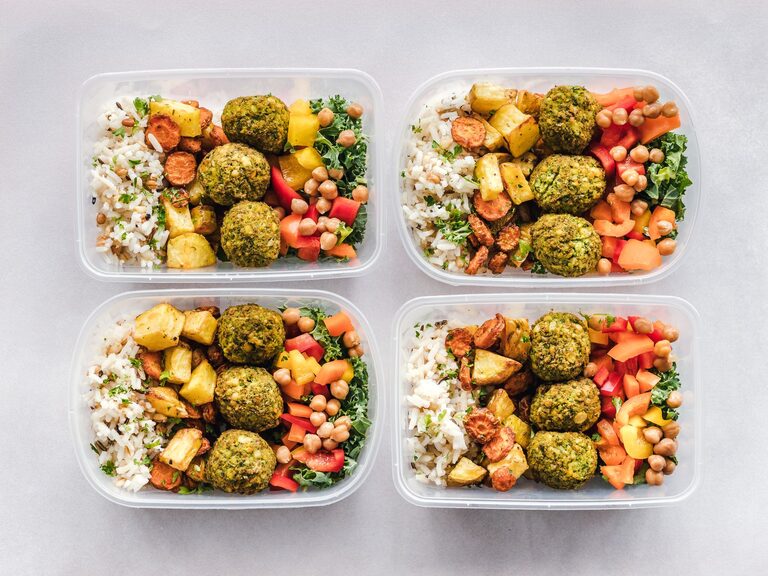
Full meal prep means cooking complete meals in advance and storing them in individual containers. This approach works well when you prefer to grab a meal and go.
Examples include:
– Chicken, rice, and roasted vegetables
– Pasta with tomato sauce and spinach
– Lentil soup with bread
– Turkey meatballs with potatoes and green beans
Ingredient prep involves preparing basic components without assembling full meals. This gives you more flexibility during the week.
You might:
– Wash and chop vegetables
– Cook rice, quinoa, or pasta
– Roast a tray of vegetables
– Prepare a protein
– Mix a simple dressing or sauce
When dinner time arrives, you can combine the ingredients in different ways instead of eating the same meal repeatedly.
Prepare several ingredients that can be used across different meals. For example, cook a batch of chicken, black beans, roasted peppers, and rice. During the week, use them for burrito bowls, wraps, salads, or stuffed peppers.
This approach keeps meals interesting while reducing cooking time.
Breakfast is often easier to manage when it can be prepared ahead of time.
Combine oats, milk or a milk alternative, yogurt, and your favorite toppings in small containers. Add fruit, nuts, cinnamon, or nut butter before serving. Store the containers in the refrigerator and prepare several at once.
Whisk eggs with chopped vegetables, cheese, and cooked meat if desired. Pour the mixture into a greased muffin pan and bake until set. Store the egg muffins in the refrigerator for quick breakfasts.
Place frozen fruit, spinach, and other smoothie ingredients into individual freezer bags or containers. When ready to blend, add the contents to a blender with your preferred liquid.
Make sandwiches with eggs, cheese, and vegetables on English muffins or small rolls. Wrap them individually and refrigerate or freeze them for later use. Reheat according to the ingredients and your storage method.
Lunches should be portable, filling, and easy to reheat or eat cold.
Start with a base such as rice, quinoa, couscous, or farro. Add a protein, vegetables, and a sauce. Keep the sauce separate if you want to prevent the grains or vegetables from becoming soggy.
Try combinations such as:
– Rice, chicken, broccoli, and a yogurt herb sauce
– Quinoa, chickpeas, cucumbers, tomatoes, and lemon dressing
– Couscous, roasted vegetables, beans, and pesto
Add dressing to the bottom of a jar, followed by sturdy vegetables, beans, grains, and greens. Place delicate toppings such as cheese, nuts, or croutons near the top. When ready to eat, shake the jar and pour the salad into a bowl.
Prepare fillings in advance, but assemble wraps and sandwiches close to serving time when possible. This helps keep bread from becoming soggy.
Good make-ahead fillings include:
– Shredded chicken salad
– Hummus and roasted vegetables
– Turkey, cheese, and sliced vegetables
– Tuna or bean salad
– Sliced eggs with greens and a simple spread
Dinner prep can focus on recipes that use one pan, one pot, or a slow cooker.
Place a protein and chopped vegetables on a baking sheet, season everything, and roast until cooked. You can prepare the vegetables and seasoning in advance, then bake the meal when needed.
Try chicken with potatoes and carrots, salmon with green beans, or tofu with peppers and broccoli.
One-pot pasta reduces both cooking and cleanup. Combine pasta, vegetables, sauce ingredients, and liquid in one pot, then cook until the pasta is tender. Make a large batch for leftovers or divide it into containers for several meals.
Soups, chili, shredded chicken, and bean-based dishes are good choices for slow cooking. Prepare the ingredients ahead of time and store them in the refrigerator until you are ready to cook.
Serve the finished dish with rice, bread, tortillas, or a simple salad to create a complete meal.
Prepare the fillings in advance and store them separately. Cooked ground meat, beans, grilled vegetables, shredded cheese, salsa, and lettuce can be combined in different ways throughout the week.
This is also a convenient option for households with different food preferences.
Pre-portioned snacks can help reduce last-minute choices between meals. Prepare a few options at the beginning of the week, such as:
– Cut vegetables with hummus
– Fruit with nut butter
– Yogurt with granola
– Cheese and whole-grain crackers
– Trail mix
– Popcorn
– Hard-boiled eggs
Store snacks in small containers or reusable bags so they are easy to pack and take with you.
Allow cooked food to cool appropriately before storing it, and use clean, airtight containers. Label containers with the meal name and date so older items are used first.
Keep sauces, crunchy toppings, and fresh herbs separate when possible. This helps preserve texture and makes reheated meals taste fresher.
For the best quality, follow basic food storage guidance and use refrigerated leftovers within a reasonable time. Freeze portions you will not eat soon, especially soups, cooked grains, and casseroles. When reheating, make sure food is heated thoroughly.
Meal prep works best when it becomes a repeatable habit rather than a large weekly project. Start with one or two recipes and a few prepared ingredients. Even washing produce, cooking a pot of rice, and preparing one protein can make the week easier.
You can also split the work into short sessions. Chop vegetables one evening, prepare breakfast the next day, and cook dinner components later in the week.
The most useful meal prep plan is one you can maintain. Focus on simple recipes, flexible ingredients, and convenient storage. With a little preparation, busy weekdays can include satisfying home-cooked meals without requiring hours of cooking every night.