 11
11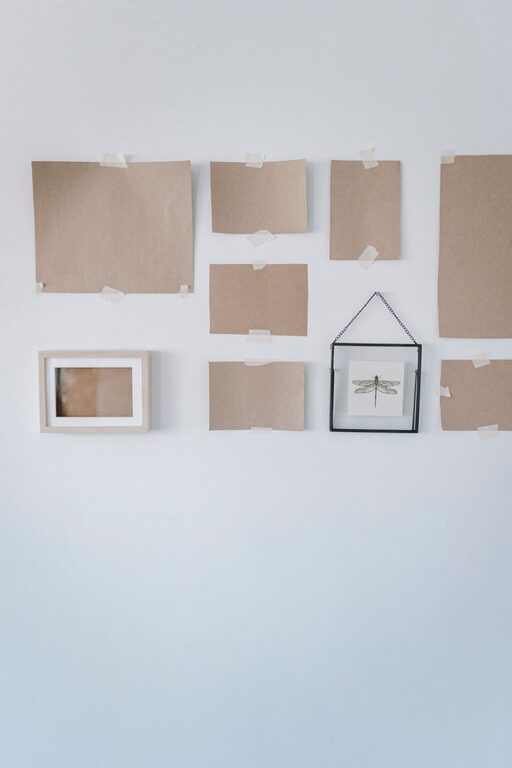
Walls can have a major impact on the look and feel of a room, but decorating them does not have to be expensive or complicated. With a few basic supplies and some creativity, you can make attractive wall decor that reflects your style and fits your space.
These easy DIY ideas work well in living rooms, bedrooms, home offices, hallways, and entryways. Many projects can be completed in an afternoon, while others can be adjusted to match the time, tools, and materials you have available.
A little planning can help your finished decor look polished and balanced.
Consider the size and purpose of the wall before selecting a project. A large, empty wall may suit a gallery arrangement or oversized artwork, while a narrow wall might look best with a single framed piece or hanging planter.
Think about the colors already in the room. You can create a coordinated look by repeating one or two existing colors, or add contrast with a bold shade.
Many DIY wall projects use the same simple tools and materials:
– Measuring tape
– Pencil
– Level
– Hammer or wall-safe hooks
– Scissors
– Craft glue
– Paint and brushes
– Frames or canvas
– String, twine, or ribbon
– Cardboard or paper for templates
Always follow the instructions for any adhesive, paint, or hanging hardware you use. For heavier pieces, choose hardware designed to support the item’s weight.
A gallery wall is an easy way to display artwork, photographs, postcards, or meaningful objects. It can be carefully arranged or given a more relaxed, collected look.
Start by choosing a theme. You might use family photos, botanical prints, travel images, black-and-white artwork, or a combination of different pieces in a similar color palette.
For a more unified appearance, use matching frames. For a casual look, mix wood, metal, and painted frames.
You do not need advanced painting skills to create attractive abstract artwork. Simple shapes, brushstrokes, and color blocks can create a modern focal point.
Choose a canvas or several small canvases. Select two to four colors that work with your room. Neutral shades create a calm look, while brighter colors add energy.
Try one of these techniques:
– Paint wide, overlapping brushstrokes.
– Add large geometric shapes with painter’s tape.
– Use a dry brush for a soft, textured effect.
– Layer different shades of the same color.
– Create small dots or lines over a painted background.
Allow each layer to dry before adding another. If you are using painter’s tape, remove it slowly while the paint is still slightly damp for cleaner edges.
Paper leaves are lightweight, inexpensive, and easy to customize. They can be used to create a nature-inspired wall arrangement without requiring live plants.
Cut leaf shapes from paper or lightweight cardstock. Use different sizes and shapes to make the display more interesting. You can keep the paper plain, paint it, or add details with a marker.
Arrange the leaves in a branch pattern, a wreath shape, or a flowing design. Attach them to the wall with removable adhesive or place them in a frame.
For extra dimension, fold each leaf gently down the center before attaching it. This creates a subtle raised effect and allows the design to catch the light.
Fabric can bring color, pattern, and softness to a room. A favorite scarf, textile sample, or piece of patterned fabric can become an attractive wall hanging.
One simple method is to stretch the fabric over a canvas frame or a lightweight wooden frame. Pull the fabric evenly around the edges and secure it on the back with staples or strong tape.
You can also create a hanging using two wooden dowels. Attach one dowel to the top and another to the bottom, then tie string to the top dowel for hanging.
This idea works especially well for large walls because fabric can cover a generous area without the cost of oversized artwork.
A short word or phrase can add personality to a bedroom, office, or entryway. Choose something simple that suits the room, such as “Welcome,” “Create,” or “Gather.”
Paint the background of a wooden board, canvas, or thick piece of cardboard. Once it is dry, add lettering using a stencil, letter stickers, or a printed template.
For a clean result, use painter’s tape to create borders and let each color dry before adding the next. You can leave the surface smooth and modern or lightly sand the edges for a more relaxed, worn-in appearance.
A photo display offers a flexible alternative to traditional frames. It is also easy to update whenever you want to change the pictures.
Attach a length of string, twine, or ribbon to two small hooks. Use clips to hang photographs, postcards, children’s artwork, or seasonal decorations.
For a layered arrangement, hang several strings at different heights. Keep the spacing even, or create a casual design by varying the lengths.
To make the display more decorative, add small wooden beads, paper shapes, or painted clips. Use lightweight items so the string remains secure and the wall does not become overcrowded.
A plain mirror can become a custom piece with a simple frame makeover. This project works well for entryways, bedrooms, and small rooms where a mirror can reflect light.
Create a frame using thin wood strips, craft molding, or decorative trim. Measure carefully before cutting, and paint or stain the pieces before attaching them around the mirror.
If you prefer an even easier option, decorate the existing frame with paint. A single color can create a clean look, while two shades can highlight the frame’s shape.
Make sure the hanging hardware is strong enough to support both the mirror and the frame.
Wall decor can also be practical. A small organizer can hold notes, mail, keys, or everyday supplies while adding visual interest.
Use a wooden board, corkboard, or pegboard as the base. Paint it to match your room, then add hooks, clips, small shelves, or baskets.
For a home office, include sections for notes and stationery. In an entryway, add hooks for keys and a small shelf for sunglasses or mail. In a craft area, use pegboard hooks to keep tools visible and easy to reach.
Regardless of the project you choose, a few details can make the result look more intentional:
– Keep the scale suitable for the wall.
– Repeat colors found elsewhere in the room.
– Leave enough empty space around each piece.
– Test removable hooks or adhesives in a hidden area first.
– Use a level for straight lines and frames.
– Combine different textures, such as paper, wood, fabric, and metal.
– Step back occasionally to view the arrangement from across the room.
DIY wall decor is a simple way to personalize your home without a major renovation. Start with one small project, experiment with materials you already have, and build from there. A thoughtful arrangement of handmade pieces can make any room feel more inviting and complete.