
 11
11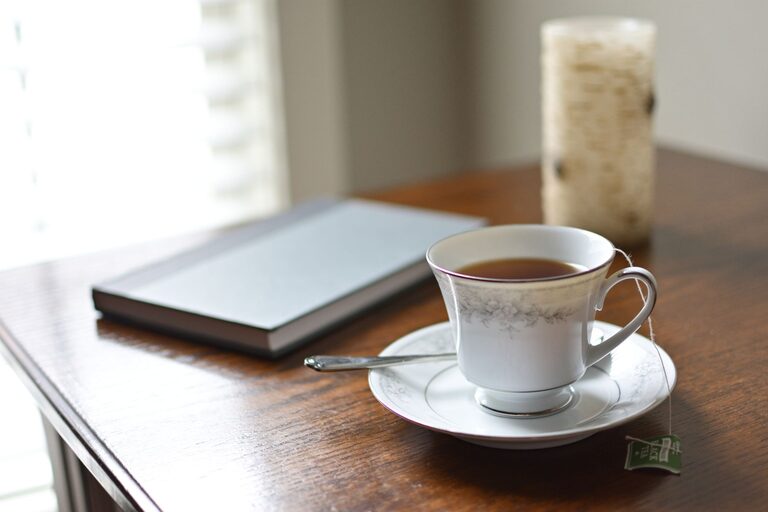
A calm evening does not require a perfect schedule, expensive products, or a complete lifestyle change. Often, a few small adjustments can make the hours after work or school feel less rushed and more enjoyable.
The goal is not to fill your evening with more tasks. Instead, it is to create a gentle transition from a busy day to a quieter night. With a little planning and a few repeatable habits, you can make your routine feel easier and more comfortable.
The first minutes after you finish work, school, or daily errands can shape the rest of the evening. Moving directly from one task to another may leave you feeling as if the day never slows down.
Create a short transition that signals the end of your active hours. This could be as simple as:
– Changing into comfortable clothes
– Putting away work items
– Washing your hands and face
– Opening a window for a few minutes
– Taking a slow walk around the block
– Making a warm, non-caffeinated drink
Choose one or two actions that feel pleasant and easy. The purpose is to mark a change in pace, not to create another demanding checklist.
Evening routines can feel stressful when every small choice has to be made at the last minute. Deciding what to eat, what to wear the next day, or when to complete basic chores can use more energy than expected.
A few minutes of preparation earlier in the day can make the evening smoother. For example, you might:
– Choose tomorrow’s clothes
– Write down the next day’s most important tasks
– Prepare simple ingredients for dinner
– Place keys, bags, and other essentials near the door
– Set out anything needed for the morning
Keep this preparation brief. A short list of helpful actions is more useful than an ambitious plan that becomes difficult to maintain.
Not every evening needs to be perfectly organized. A good enough dinner, a mostly tidy room, and a partially completed task list can be enough.
Trying to finish everything before relaxing may keep you busy for hours. Instead, decide which tasks truly need attention and which can wait. This creates space for rest without making you feel that you have ignored your responsibilities.
Your environment can influence how your evening feels. You do not need to redecorate your home to create a calmer atmosphere. Small changes can make a noticeable difference.
Try focusing on one area, such as the living room, bedroom, or kitchen. Remove items that do not belong there and clear one visible surface. A tidy corner can make the whole room feel more settled.
You can also adjust the atmosphere by:
– Dimming bright lights
– Turning off unused screens
– Playing quiet background music
– Closing curtains or blinds
– Using a comfortable blanket
– Keeping frequently used items in one place
The aim is not perfection. It is to create a space that supports the pace you want for the evening.
Phones, tablets, televisions, and computers can be useful ways to relax, but constant switching between apps and messages may keep your attention active. A simple screen boundary can help your evening feel less scattered.
Rather than trying to avoid all screens, choose a specific limit that feels realistic. You might:
– Keep your phone away from the dinner table
– Turn off nonessential notifications
– Stop checking work messages at a set time
– Charge your phone across the room
– Choose one program instead of browsing endlessly
– Spend the final part of the evening away from screens
A small boundary is often easier to follow than a strict rule. If you need your phone nearby, place it on silent or use a setting that limits interruptions.
A reset routine is a few small actions that help you close out the day. It can take five to fifteen minutes and should be simple enough to repeat.
For example, your routine might include:
This routine can prevent small tasks from building up while giving your mind a clear stopping point. Once the routine is complete, allow yourself to move on to something enjoyable.
Some activities are calming because they have a natural stopping point. Reading a few pages, listening to an album, stretching gently, or completing a small puzzle can help you slow down without creating pressure.
Consider keeping a short list of activities you enjoy. Include options for different energy levels:
– Listen to quiet music
– Take a warm shower
– Sit with a cup of tea
– Watch a familiar, light program
– Practice slow breathing for a few minutes
– Prepare breakfast items
– Fold a small load of laundry
– Organize one drawer
– Plan a simple meal
– Read a few pages of a book
– Call a friend
– Share a conversation with someone at home
– Write a short message to a family member
– Play a simple game
– Talk about one good moment from the day
Having options makes it easier to choose an activity that matches your mood instead of following a routine that feels unsuitable.
A brief reflection can help you separate the day’s events from the evening. This does not need to be a formal journaling practice. You could simply answer one question:
– What went well today?
– What felt difficult?
– What can wait until tomorrow?
– What is one thing I am looking forward to?
– What do I need to remember in the morning?
Writing a few words can help organize loose thoughts. If writing feels like work, think through the question while you wash dishes or prepare for bed.
A calming routine should support your life, not become another source of pressure. Some evenings will be busy, social, or unpredictable. That is normal.
Create a shorter version for demanding days. It might include putting away work items, preparing one thing for tomorrow, and turning off notifications. On quieter days, you may have time for reading, music, or a longer reset.
It can also help to review your routine every few weeks. Remove steps that feel unnecessary and keep the ones that genuinely make your evening easier.
The most effective evening routine is one you can repeat without much effort. Start with one small change, such as dimming the lights, preparing tomorrow’s clothes, or setting a screen boundary.
Once that habit feels natural, add another if you want to. Over time, these simple choices can create a smoother transition into the night. A calmer evening is not about doing everything perfectly. It is about giving yourself a little more space to finish the day with intention and ease.